
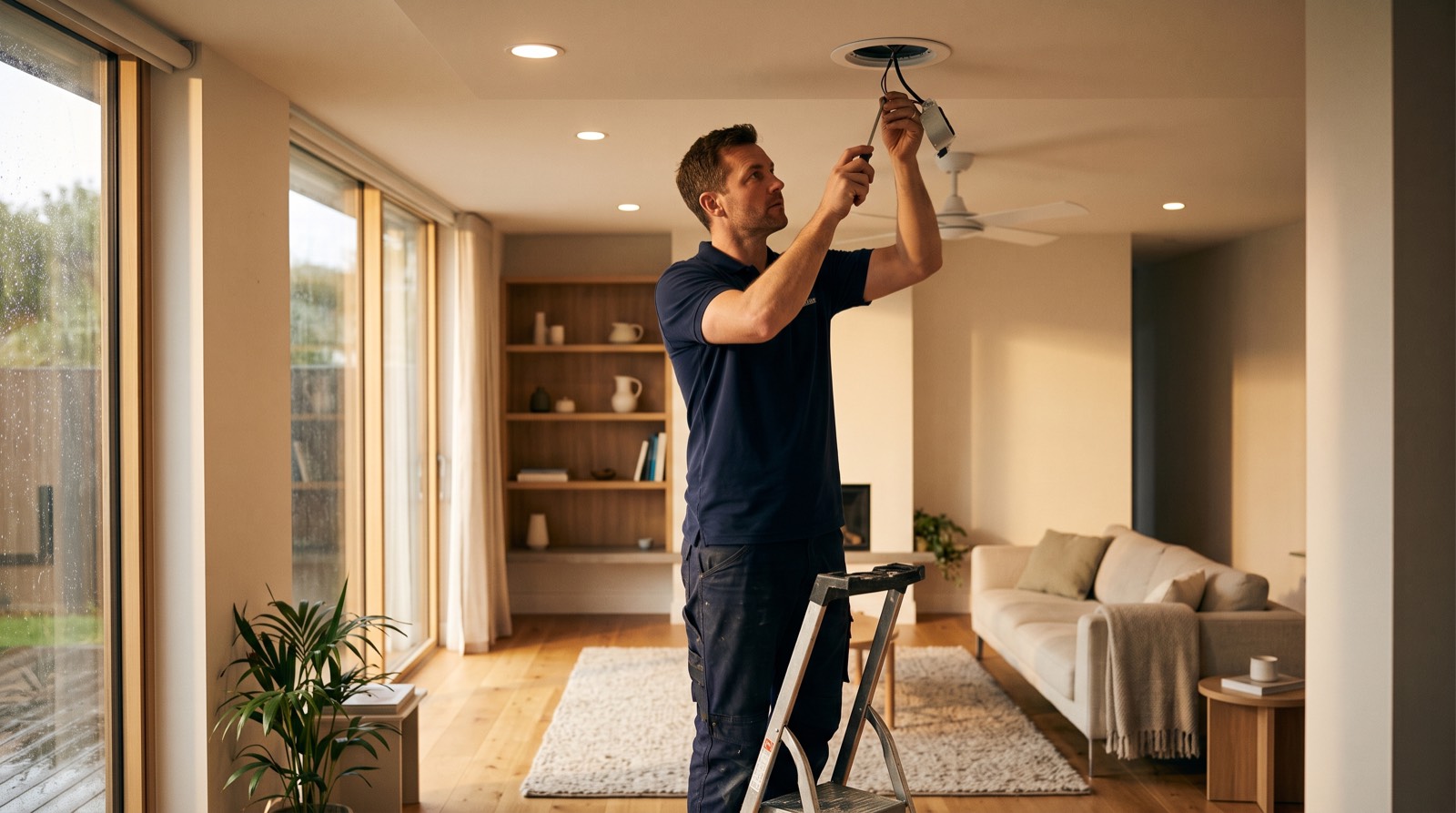
How To Light Up Your Patio Without Overloading A Circuit

Patio lighting transforms a backyard into a true outdoor living space, especially during the warm late spring and summer evenings here on the Central Coast. Stringing up bistro lights, installing path fixtures, and adding deck sconces sounds simple enough, until the breaker trips halfway through your first dinner party. Overloading a circuit is one of the most common electrical mistakes homeowners make when expanding outdoor lighting, and it can lead to tripped breakers, melted wiring, or even electrical fires. Knowing how much load your existing circuits can handle is the first step toward a safe and beautiful patio setup. Good Neighbors Electric helps homeowners across Atascadero, Paso Robles, and San Luis Obispo plan outdoor lighting projects that look incredible and stay within safe electrical limits. With the right circuit math, proper GFCI protection, and code-compliant outdoor wiring, your patio can shine all season long. This guide walks you through the safe way to light up your patio without overloading a circuit or risking damage to your home’s electrical system.

How To Calculate Patio Lighting Load Without Overloading A Circuit

Every circuit in your home has a specific amperage rating, and outdoor patio lighting must fit within that limit to avoid overloading. Most standard residential lighting circuits are rated for 15 amps, which translates to roughly 1,800 watts of total capacity. However, the National Electrical Code recommends loading any circuit to no more than 80 percent of its rated capacity for continuous use, meaning your real working limit is closer to 1,440 watts. Patio lighting often runs for hours at a time, which qualifies as a continuous load under code. Calculating your total wattage before installation prevents tripped breakers, dimmed fixtures, and long-term damage to your wiring. A licensed electrician can help you map your existing circuits and identify how much spare capacity is available for new outdoor lights.

How To Calculate Patio Lighting Load For String Lights And Bistro Bulbs

String lights and bistro bulbs are the most popular patio lighting choice across the Central Coast, but they add up quickly when you start connecting multiple strands together. A single strand of incandescent bistro lights with 24 bulbs can draw anywhere from 175 to 275 watts, depending on bulb wattage. Connect three strands together for a long pergola or patio cover, and you are already pulling close to 800 watts from one outlet. Add a few accent fixtures or a ceiling fan, and that circuit is dangerously close to its 1,440 watt safe working limit. LED bistro bulbs are a smart upgrade because they use roughly 90 percent less power than incandescent bulbs while producing the same warm glow. Switching to LED string lights allows you to run far more strands on a single circuit without overloading it.

When calculating your patio lighting load, always add the wattage of every bulb on every connected strand, not just the strand length. Many homeowners assume one outlet means one circuit, but that is rarely the case in older Atascadero and Paso Robles homes where outdoor outlets often share circuits with garage outlets, exterior receptacles, or even interior rooms. Plugging multiple string light strands into the same exterior outlet can quickly overload a shared circuit. A licensed electrician can test your outlets with a circuit tracer to identify exactly which breaker controls which receptacle. Knowing this map of your electrical system is critical before adding any new outdoor lighting. Need help mapping your home’s circuits? Click here for our electrical inspection service.

Beyond bistro lights, many homeowners also add festoon lights, lanterns, and decorative globe strands to layer the patio ambiance. Each of these adds to the total connected load on the circuit and must be counted in your wattage math. Manufacturer specifications usually list the maximum number of strands that can be safely connected end to end, and exceeding that number can damage the wiring inside the strand itself. Mixing brands or bulb types on a single circuit can also create uneven voltage draw and shorten the lifespan of the fixtures. Keeping a written wattage log of every outdoor light fixture helps you plan additions without guessing. This same log makes it easier for an electrician to recommend whether a new dedicated patio circuit is needed.

How To Calculate Patio Lighting Load For Path Lights And Landscape Fixtures

Path lights, step lights, and landscape spotlights typically operate on a low voltage 12 volt system powered by a transformer plugged into a 120 volt outlet. The transformer is the key component when calculating load, because its wattage rating tells you the maximum capacity for all connected fixtures. A 300 watt transformer, for example, can safely power up to 240 watts of landscape lighting when applying the 80 percent continuous load rule. Each individual path light usually draws between 4 and 20 watts, depending on whether it uses LED or halogen bulbs. Adding too many fixtures to one transformer causes voltage drop, dim lights at the far end of the run, and premature transformer failure.

Voltage drop is one of the most overlooked issues in patio and landscape lighting installations across the Central Coast. As wire length increases, voltage decreases, and fixtures farther from the transformer receive less power than fixtures closer to it. Using the correct gauge of low voltage wiring helps minimize this drop and keeps every light at consistent brightness. For runs longer than 100 feet, 10 or 12 gauge wire is usually recommended, while shorter runs can use 14 or 16 gauge. A licensed electrician can calculate exact voltage drop for your specific layout and recommend the right transformer and wire combination. This level of planning prevents the patchy, uneven lighting that plagues many DIY installations.

The 120 volt outlet powering your transformer also counts toward the total load of the indoor or outdoor circuit it shares. If your transformer is plugged into the same outdoor outlet as your string lights, you must add both loads together when checking circuit capacity. Many homeowners forget this step and end up tripping breakers as soon as they switch everything on at sunset. Installing a dedicated outdoor circuit for landscape lighting is often the safest long-term solution, especially for larger backyards. Good Neighbors Electric can install dedicated 20 amp outdoor circuits with weatherproof GFCI outlets to handle bigger patio lighting plans. This upgrade pays for itself in reliability and peace of mind during entertaining season.

How To Calculate Patio Lighting Load For Ceiling Fans, Heaters, And Accessories

Outdoor patios often include more than just lighting, with ceiling fans, infrared heaters, speakers, and televisions all sharing the same exterior circuits. A typical outdoor ceiling fan draws around 75 to 100 watts on high speed, while electric patio heaters can pull anywhere from 1,500 to 5,000 watts each. Even a single patio heater can max out a 15 amp circuit on its own, making it impossible to add lighting to the same circuit. Outdoor televisions and audio systems add another 100 to 300 watts depending on the size and brand. All of these loads must be added together to determine whether your existing patio circuit can handle the full setup.

Mixing high draw accessories with lighting on the same circuit is one of the most common causes of nuisance breaker trips on Central Coast patios. The moment a heater kicks on while string lights are running, the combined inrush current can exceed the breaker rating and shut the whole patio down. Dedicated circuits for high wattage appliances like patio heaters are required by code in most cases. A licensed electrician can install a dedicated 20 amp or 30 amp circuit specifically for your heater while keeping lighting on a separate, lower load circuit. This separation protects both your wiring and your fixtures from electrical stress.

Planning your patio with future additions in mind saves money and frustration down the road. Many homeowners start with just string lights and end up adding a fan, heater, and outdoor kitchen within a few years. Installing a subpanel for outdoor use during the initial wiring project gives you room to grow without having to rerun new circuits later. Good Neighbors Electric specializes in electrical subpanel installation for outdoor entertainment areas, garages, and pool houses. A properly sized subpanel keeps every outdoor feature on its own circuit, eliminating the risk of overload entirely. This kind of forward planning is the hallmark of a professional electrical installation.


How To Safely Wire Patio Lighting Without Overloading A Circuit

Safe outdoor lighting wiring is about more than just calculating wattage; it requires the right materials, the right outlets, and the right code compliance for your area. The California Electrical Code has specific requirements for outdoor receptacles, weatherproofing, and GFCI protection that must be followed on every patio lighting project. Cutting corners with indoor extension cords or non-rated fixtures is a leading cause of outdoor electrical fires and shock hazards. Proper wiring also extends the lifespan of your lights, transformers, and breakers by reducing electrical stress. A licensed electrician understands these requirements and can install your patio lighting to last for decades. Good Neighbors Electric handles every aspect of outdoor wiring from circuit planning to final inspection.

How To Safely Wire Patio Lighting With GFCI Outlets And Weatherproof Covers

GFCI outlets are required by code for all outdoor receptacles, and they are the single most important safety feature on any patio lighting circuit. A GFCI outlet detects tiny imbalances in current flow and shuts off power within milliseconds if it senses a ground fault. This protects you from electrocution if a string light cord becomes damaged, a fixture gets wet, or a child touches an exposed connection. Older homes across Atascadero, Templeton, and Cambria often have outdoor outlets that predate GFCI requirements, leaving entire patios unprotected. Upgrading these outlets is a quick and affordable improvement that dramatically increases outdoor safety.

Weatherproof in-use covers are also required on every outdoor outlet, and they must remain functional even when a plug is inserted. The bubble style covers commonly seen on newer Central Coast homes are designed to keep rain, sprinkler spray, and morning dew out of the receptacle. Older flip style covers only protect the outlet when nothing is plugged in, which is useless for patio lighting that runs continuously through the season. Replacing outdated covers is a small project with a big safety payoff. Good Neighbors Electric installs both GFCI outlets and weatherproof covers as part of every outdoor wiring project. Need a GFCI outlet upgrade? Click here for our GFCI outlet installation service.

GFCI protection can be provided either at the outlet itself or upstream at the breaker, and both methods are code compliant for outdoor circuits. A GFCI breaker protects every outlet downstream on the same circuit, which is useful for patios with multiple receptacles. Individual GFCI outlets are typically less expensive but only protect that single device unless wired to feed downstream outlets correctly. A licensed electrician can recommend the best approach for your specific patio layout and circuit configuration. Testing the GFCI device monthly is also important, since the internal mechanism can fail over time without any visible warning. This simple habit ensures your protection stays active year after year.

How To Safely Wire Patio Lighting With Outdoor Rated Cables And Fixtures

Every cable, connector, and fixture used outdoors must carry an outdoor rating that confirms it can handle UV exposure, moisture, and temperature swings. Indoor extension cords are one of the most dangerous shortcuts homeowners take when setting up patio lighting, and they account for a significant share of outdoor electrical fires. Outdoor rated cables are made with thicker insulation, UV stabilized jackets, and moisture resistant compounds that can survive year round exposure. UF (underground feeder) cable is required for any wiring buried in the ground, while SOOW or SJTW cords are appropriate for above ground temporary runs. Choosing the right cable type from the start prevents premature failure and dangerous shorts.

Fixtures themselves carry ratings that indicate their suitability for wet, damp, or dry locations, and patio installations almost always require wet location rated fixtures. A fixture rated only for damp locations can be installed under a fully covered patio roof but should not be exposed to direct rain or sprinklers. Wet location fixtures are sealed against water intrusion and can be used in fully exposed areas like uncovered pergolas or pool decks. Mixing up these ratings is a common mistake that voids warranties and creates safety hazards. Good Neighbors Electric verifies every fixture rating before installation to ensure long term reliability.

Burying low voltage cable under mulch or shallow soil is acceptable for landscape lighting, but 120 volt wiring requires deeper trenching and conduit protection. The California Electrical Code requires 120 volt outdoor wiring to be buried at least 18 inches deep in PVC conduit or 24 inches deep without conduit. This depth protects the wiring from shovels, garden tools, and root damage. Good Neighbors Electric provides professional trenching services for outdoor electrical projects across San Luis Obispo County. Proper trenching and conduit installation is one of the clearest signs of a code compliant outdoor lighting job. It also makes future repairs and additions far easier when the wiring is well documented and protected.

How To Safely Wire Patio Lighting With Dedicated Circuits And Subpanels

Adding a dedicated 20 amp circuit for patio lighting is often the smartest investment for homeowners planning a full outdoor entertainment area. A dedicated circuit isolates your patio from the rest of the house, meaning a tripped breaker outside will not shut down indoor lights or appliances. It also gives you a much higher capacity ceiling, with 2,400 total watts and a 1,920 watt safe working limit under the 80 percent continuous load rule. This extra headroom lets you add string lights, path lights, and accent fixtures without constantly checking the wattage budget. A licensed electrician can run a dedicated outdoor circuit from your main panel through conduit to a new weatherproof outlet near the patio.

For larger patios, outdoor kitchens, or pool houses, a small outdoor subpanel makes even more sense than a single dedicated circuit. A subpanel acts like a satellite electrical hub, providing multiple circuits for lighting, heaters, fans, and outlets all in one weatherproof location. This setup eliminates long wire runs from the main panel and reduces voltage drop across the patio area. Subpanels also make it easier to add future features without opening up the main panel inside the house. Good Neighbors Electric installs outdoor subpanels with full code compliance and weatherproof enclosures built for Central Coast conditions.

Your main electrical panel must have enough available capacity to support a new dedicated circuit or subpanel, and not every Atascadero or Paso Robles home has the room. Older panels rated for 100 amps may already be near full capacity with the existing HVAC, kitchen, and laundry loads. In these cases, an electrical service upgrade to 200 amps is often necessary before adding significant outdoor loads. A licensed electrician can perform a load calculation on your main panel and recommend the right path forward. This upfront assessment prevents wasted money on circuits that your panel simply cannot support.


Why You Need A Licensed Electrician For Patio Lighting Installation

Patio lighting may look like a simple weekend project, but the combination of outdoor weather, code requirements, and circuit load calculations makes it a job best handled by a licensed electrician. A professional installation protects your home, your family, and your investment in outdoor living. Good Neighbors Electric brings decades of experience wiring outdoor spaces across the Central Coast, from small backyard patios to large estate properties. Every project starts with a full load calculation, code review, and design consultation to ensure your lighting plan is safe and beautiful. The result is an outdoor space you can enjoy with confidence for years to come.

Why You Need A Licensed Electrician For Patio Lighting Load Calculations

Load calculations are the foundation of every safe patio lighting installation, and getting them wrong leads to tripped breakers, damaged fixtures, and fire risk. A licensed electrician uses code based formulas to determine exactly how much capacity your existing circuits have and how much new load they can safely accept. This involves identifying every device on the circuit, measuring continuous versus non continuous loads, and applying the 80 percent rule for ongoing use. DIY calculations often miss hidden loads like garage door openers or attic fans that share the same circuit. Professional accuracy here prevents costly mistakes later.

A professional load calculation also looks beyond the current setup to account for future additions you may want over the years. Outdoor kitchens, hot tubs, EV chargers, and pool equipment all add significant load to a home’s electrical system. Planning for these possibilities now saves the cost of rewiring later when you decide to expand your outdoor living space. Good Neighbors Electric documents every calculation and provides homeowners with a clear summary of available capacity. This documentation becomes a valuable reference for any future electrical project.

Beyond the math itself, a licensed electrician interprets the results in the context of California code and Central Coast conditions. Coastal humidity, summer heat, and occasional power surges all affect how your outdoor wiring should be specified. A professional accounts for these regional factors in every recommendation. This is exactly the kind of expertise that separates a code compliant installation from a DIY shortcut. Trust a licensed electrician to handle your load calculations from start to finish.

Why You Need A Licensed Electrician For Patio Lighting Code Compliance

California has some of the strictest electrical codes in the country, and outdoor patio lighting must meet every requirement to pass inspection. A licensed electrician stays current on code updates, including GFCI requirements, AFCI protection, weatherproofing standards, and burial depth specifications. Missing even one of these requirements can result in failed inspections, voided insurance, or unsafe conditions. Professional installation guarantees your patio lighting meets or exceeds every applicable code. This protects both your home value and your family’s safety.

Permits are also often required for new outdoor circuits, subpanels, and significant lighting installations across San Luis Obispo County. A licensed electrician handles the permit process from start to finish, including plan submission, inspection scheduling, and final approval. Skipping permits may seem like a shortcut but creates serious problems when selling the home or filing an insurance claim after damage. Good Neighbors Electric manages the entire permitting process so homeowners can focus on enjoying their finished patio. This service is included as a standard part of professional installations.

Code compliance also extends to the materials and methods used during installation, not just the final result. Inspectors check wire gauge, conduit depth, fixture ratings, GFCI placement, and a long list of other details before approving a job. A licensed electrician knows exactly what inspectors look for and builds every project to that standard from day one. This attention to detail eliminates rework and ensures a smooth inspection process. Choosing a professional installer is the simplest way to guarantee code compliance from the first day.

Why You Need Good Neighbors Electric For Patio Lighting Installation

Good Neighbors Electric has earned the trust of homeowners across Atascadero, Paso Robles, San Luis Obispo, and the surrounding Central Coast communities through honest service and skilled craftsmanship. Recognized as the recipient of Best Of The Central Coast for Electrical Services, our team brings licensed and insured expertise to every project. Clean, organized job sites and respect for your property are part of every visit, with no exceptions. Our waived dispatch fee when you move forward means you only pay for the work you actually need. This is the kind of service that builds long term relationships with our customers.

Every new installation from Good Neighbors Electric comes with a 2 year workmanship warranty, giving homeowners peace of mind long after the job is complete. Our dedication to providing 5 star service shows up in every detail, from the first phone call to the final walkthrough. We handle the full scope of outdoor electrical work including outdoor lighting installation, trenching, dedicated circuits, and subpanels. Each project is designed to match your specific patio layout, lighting style, and entertainment goals. The result is a finished space that looks professional and performs reliably for years.

Ready to light up your patio without the risk of overloading a circuit? Call Good Neighbors Electric at (805) 610-5530 or email anthony.orozco@goodneighborselectric.com to schedule a consultation. Our team will evaluate your existing electrical capacity, design a lighting plan that fits your vision, and install everything to full code compliance. From string lights to landscape fixtures to dedicated outdoor subpanels, we handle every detail with skill and care. Trust the local team that the Central Coast has voted the best, and enjoy your patio all season long.