What to Know Before Installing an EV Charger at Home
Electric vehicles continue becoming more common throughout Atascadero and the Central Coast, and many homeowners are now looking into installing EV chargers at home for faster and more convenient charging. While charging with a standard outlet may work temporarily, most homeowners quickly realize that a professionally installed home EV charger provides better charging speed, reliability, and long term convenience. Installing an EV charger is not as simple as plugging in a device because the charger must be properly connected to the home’s electrical system to operate safely and efficiently. Understanding the electrical requirements, panel capacity, installation process, and long term benefits can help homeowners make informed decisions before starting the project.
Why More Homeowners Are Installing EV Chargers
Electric vehicles are becoming a practical option for homeowners who want lower fuel costs, reduced maintenance, and more efficient transportation. As EV ownership increases, home charging has become one of the most important parts of daily vehicle use. Charging at home allows homeowners to avoid relying on public charging stations and provides the convenience of charging overnight while the vehicle is parked. A dedicated home EV charger also significantly reduces charging times compared to using a standard household outlet.
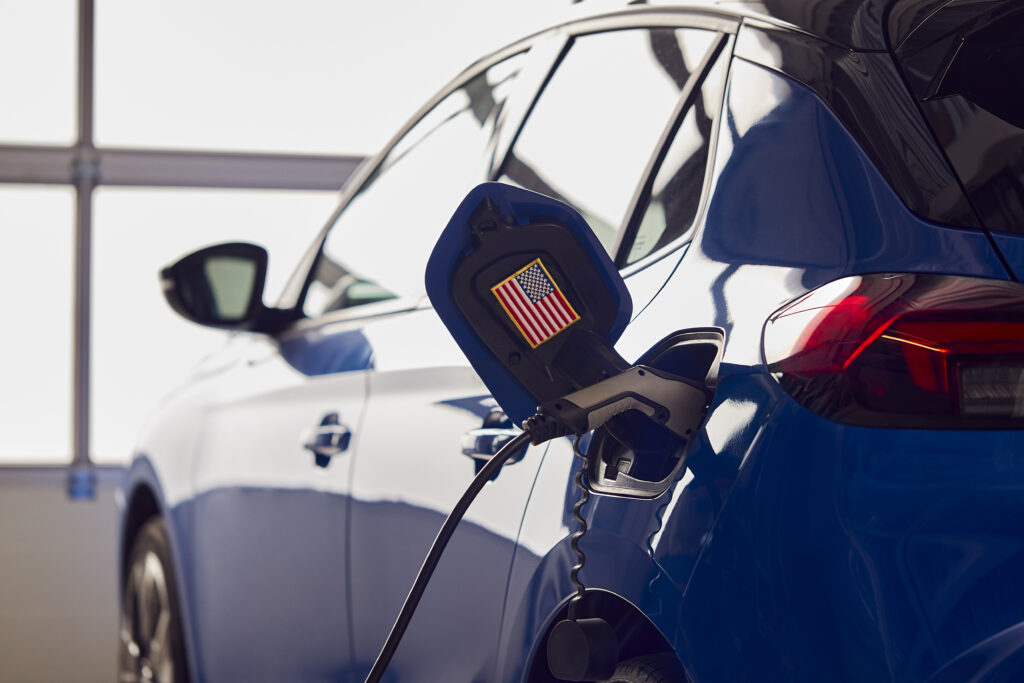
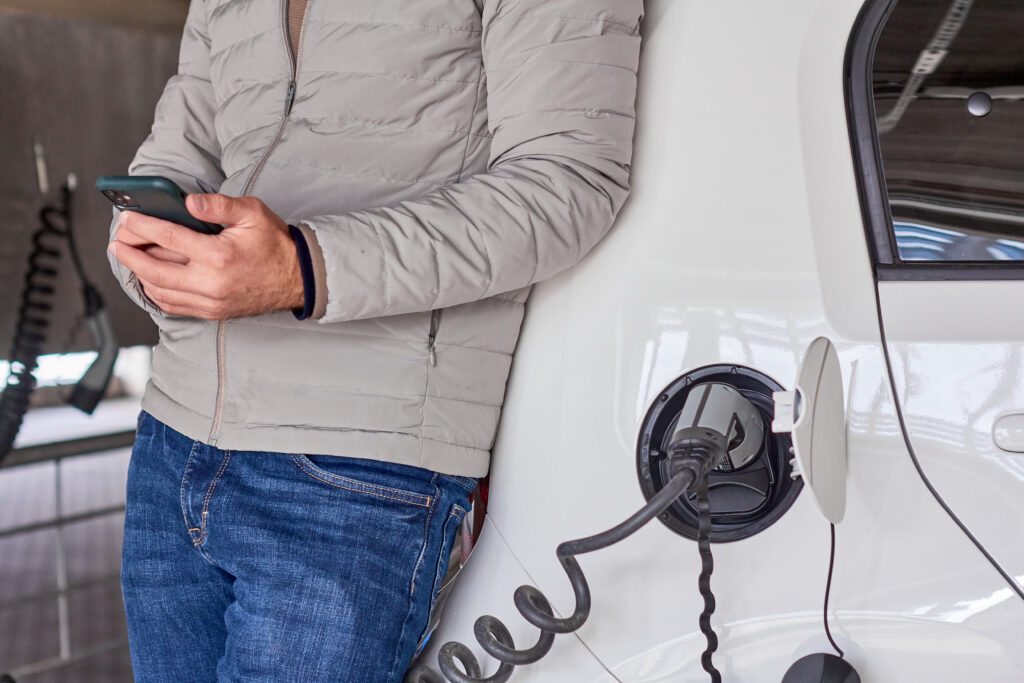
Most electric vehicle owners eventually upgrade to a Level 2 charger because it delivers faster charging and more reliable performance. Standard outlets are not designed for continuous high demand charging and can take much longer to fully recharge a vehicle battery. A professionally installed Level 2 EV charger provides the dedicated power needed to charge efficiently while supporting daily driving needs. Homeowners who install EV chargers also increase the long term functionality and value of their property as electric vehicle adoption continues to grow.
Understanding Your Home’s Electrical Capacity
One of the most important steps before installing an EV charger is determining whether your electrical system can support the additional load. EV chargers require dedicated circuits and significant electrical capacity depending on the charger type and charging speed. Many older homes throughout the Central Coast were not originally designed to handle modern electrical demand, especially when adding high powered equipment like electric vehicle chargers.
A licensed electrician will inspect the electrical panel to evaluate available capacity, breaker space, and overall system condition before installation begins. If the panel does not have enough capacity, an electrical panel upgrade may be necessary to safely support the charger. Attempting to install an EV charger without evaluating the electrical system can lead to overloaded circuits, breaker trips, inconsistent charging performance, and potential safety hazards. Proper planning helps ensure the charger operates safely without placing unnecessary strain on the home’s electrical infrastructure.
Electrical load calculations are also important because homes already using large appliances, HVAC systems, or generators may require additional system upgrades before adding an EV charger. A professional evaluation ensures the electrical system is prepared to handle current demand as well as future upgrades the homeowner may add later.
Choosing the Right EV Charger
Not all EV chargers are the same, and homeowners should carefully consider which option best fits their driving habits and electrical setup. Most residential installations involve Level 2 chargers because they provide significantly faster charging than standard outlets while remaining practical for home use. However, charging speeds can vary depending on the amperage of the charger and the capacity of the electrical system supporting it.
The location of the charger is also important when planning installation. Homeowners often install chargers inside garages, along exterior walls, or near driveways depending on parking arrangements. Proper placement improves convenience while allowing the electrician to safely route wiring from the electrical panel to the charging location. Weather exposure, cable length, and accessibility all play a role in determining the best installation setup.
Some homeowners also choose smart EV chargers that offer additional features such as scheduling, usage tracking, and remote monitoring through mobile applications. These features can improve energy management and provide more control over charging habits. A licensed electrician can help homeowners understand which charger options work best for their home, vehicle, and electrical system.
Why Professional Installation Matters
Installing an EV charger requires much more than mounting equipment to a wall. The charger must be connected to a dedicated circuit with properly sized wiring, correct breaker protection, and safe grounding to meet electrical code requirements. Incorrect installation can create overheating, electrical faults, damaged equipment, or fire hazards that place the home at risk.
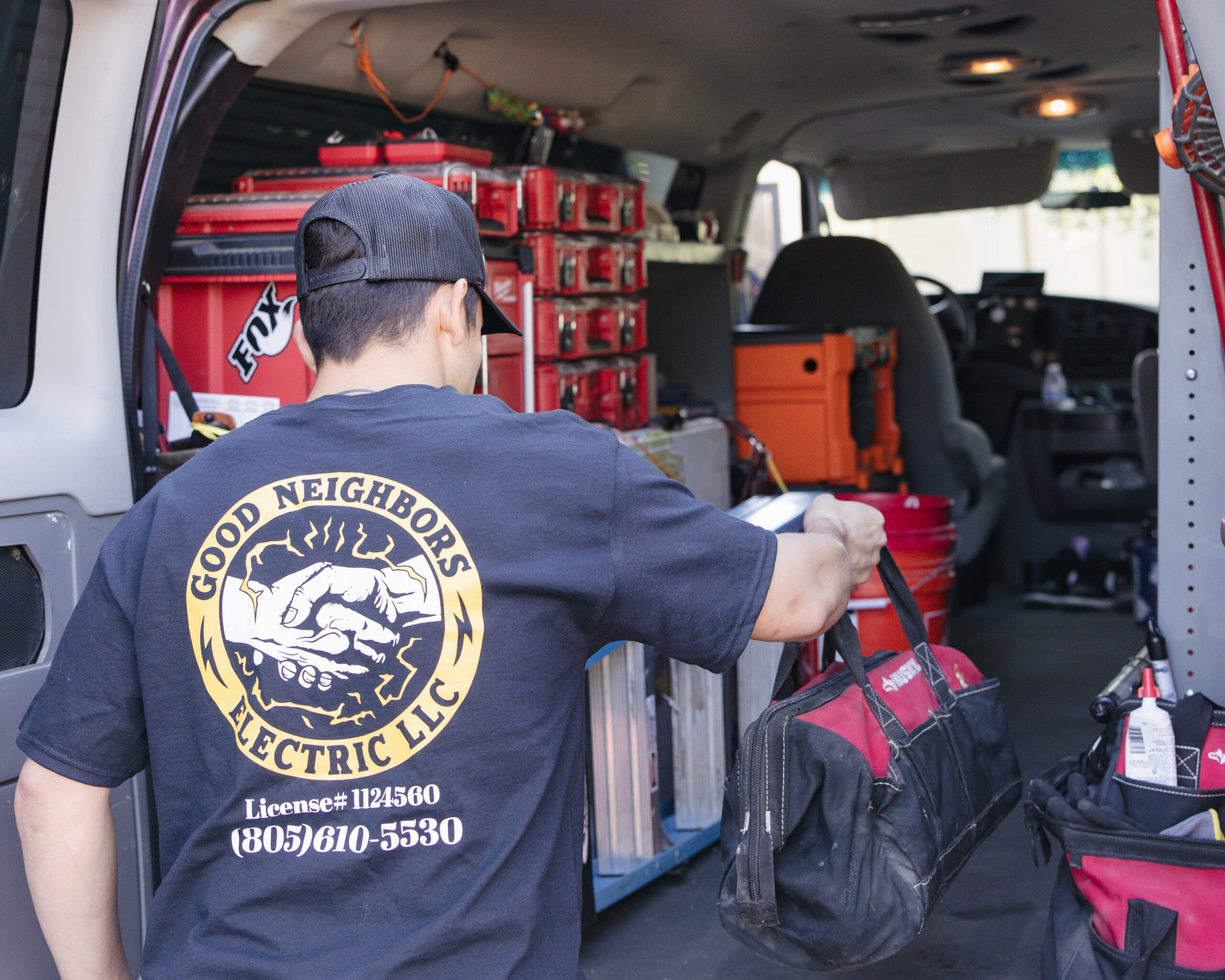
A licensed electrician ensures the installation is completed safely and according to California electrical code standards. This includes evaluating panel capacity, selecting the proper breaker size, running code compliant wiring, and testing the charger after installation is complete. Professional installation also helps ensure the charger operates efficiently and consistently without damaging the electrical system or vehicle charging equipment.
Permits and inspections may also be required depending on the project and local regulations. A licensed electrician understands these requirements and can handle the permitting process properly. This helps homeowners avoid failed inspections or code violations that may create problems later. Proper installation protects both the home and the long term reliability of the charging system.
The Benefits of Installing a Home EV Charger
Installing a home EV charger provides convenience that many homeowners quickly rely on every day. Instead of visiting public charging stations regularly, homeowners can charge their vehicles overnight and start each day with a fully charged battery. This creates a more efficient routine while reducing dependence on outside charging infrastructure.
A dedicated home charger also improves charging speed significantly compared to standard outlets. Faster charging makes it easier to maintain battery levels for commuting, errands, and longer travel needs. Consistent charging access also helps homeowners maximize the benefits of owning an electric vehicle without worrying about limited charging availability.
Many homeowners also appreciate the long term property value benefits associated with EV charger installation. As electric vehicles become more common, homes equipped with charging infrastructure may become more attractive to future buyers. Installing a professionally wired charging system helps prepare the home for changing technology and future energy demands.
Common Mistakes Homeowners Should Avoid
One of the biggest mistakes homeowners make is assuming their current electrical panel can support an EV charger without inspection. Installing high demand charging equipment without evaluating the electrical system can overload circuits and create serious safety concerns. Another common mistake is attempting DIY installation without understanding electrical code requirements or load calculations.
Homeowners should also avoid choosing charger locations based only on convenience without considering wiring routes and electrical accessibility. Improper placement can increase installation complexity and create long term usability issues. Working with a licensed electrician early in the planning process helps avoid these problems and ensures the installation is completed efficiently.
Choosing low quality equipment or undersized electrical components can also lead to charging problems later. Proper installation involves selecting reliable equipment designed to handle long term daily use safely. Investing in professional installation and quality materials helps homeowners avoid future electrical issues and system failures.
Installing an EV charger is one of the best ways to improve convenience and prepare your home for modern transportation needs. However, proper planning and professional installation are critical for ensuring safety, performance, and long term reliability. Evaluating your electrical panel, selecting the right charger, and using a dedicated circuit all play important roles in successful installation.

Good Neighbors Electric provides professional EV charger installation for homeowners throughout Atascadero and the Central Coast. Our team evaluates electrical systems, installs dedicated circuits, upgrades panels when needed, and ensures all work is completed safely and according to code. We focus on reliable installation that supports efficient charging and long term system performance. If you are considering installing an EV charger at home, contact Good Neighbors Electric today to schedule an inspection and learn more about your options.