How To Prepare Your Generator Before Fire Season Peaks
Fire season on the Central Coast does not arrive all at once; it builds through the dry summer months and reaches its most dangerous stretch in late summer and early fall. By the time the hills around Atascadero turn brown and the wind picks up, your generator needs to be ready to run at a moment’s notice. Many homeowners only think about backup power after the lights have already gone out, and that is the worst possible time to discover a dead battery or stale fuel. Public Safety Power Shutoffs have become a regular part of life in San Luis Obispo County, and PG&E can cut power for days when fire risk climbs. A generator that has been sitting untouched since last winter is not guaranteed to start, no matter how reliable it once was. Preparing it now, while the weather is calm and parts are easy to find, gives you a real safety margin. This guide walks through the steps that keep your generator dependable when the grid goes dark. Taking action early protects your family, your food, your medical equipment, and your peace of mind during the most stressful weeks of the year.
Why Generator Preparation Matters Most Before Fire Season Peaks
The peak of fire season is exactly when the power grid is least dependable, and that is no coincidence. Utilities shut off power on purpose during red flag conditions to keep their lines from sparking new fires, which means your outage could last hours or stretch into several days. A generator is only useful if it actually starts and carries the load you ask of it, and that reliability comes from preparation rather than luck. Heat, dust, and long stretches of inactivity all work against the machine sitting in your yard or garage. Fuel breaks down over time, batteries lose their charge, and small components dry out or corrode without anyone noticing. Getting ahead of these problems before the busy season means you are not competing with every other homeowner for the same parts and service appointments. Early preparation also gives you time to fix anything serious without the pressure of an active emergency. The work you do in June and July pays off when the first shutoff notice arrives.
Preparing Your Generator Early Beats Scrambling When Fire Season Peaks
Waiting until a Public Safety Power Shutoff is already announced puts you at the back of a very long line. Once a shutoff warning goes out across the Central Coast, hardware stores sell out of fuel containers, batteries, and oil within hours, and every electrician in the county fields a flood of urgent calls. The smart move is to handle your generator preparation during the quiet weeks of early summer, when supplies sit fully stocked on the shelves and appointment slots stay open. You gain the freedom to test the unit, identify weak points, and order replacement parts without any countdown running against you. A standby generator that has gone a full year without a professional check can hide problems that only surface under real load. Catching a failing battery or a clogged fuel line in advance turns a potential disaster into a simple chore. The calm of preparing early is worth far more than the stress of reacting late.
Cost is another reason to prepare ahead of the rush rather than during it. Emergency service calls during an active outage often carry premium pricing because demand spikes and technicians work long, hard hours to keep up. When you schedule maintenance during the off season, you pay standard rates and you have room to compare options and ask questions. You also avoid the temptation to buy whatever overpriced part is left on the shelf simply because you have no other choice. Planning ahead means you control the timeline and the budget instead of letting the emergency control them for you. A well maintained generator tends to run more efficiently too, which stretches your fuel further during a long shutoff. Those savings add up across a season of repeated outages.
Peace of mind has real value during the most anxious weeks of the year. When the wind howls and the smoke rolls in, the last thing you want is to wonder if your backup power will hold. A generator you have already tested and serviced removes that question entirely, letting you focus on your family instead of your equipment. Knowing your refrigerator, your well pump, your medical devices, and your communication tools will keep running brings a steadiness that no amount of last minute scrambling can match. Preparation turns a frightening situation into a manageable one. That confidence is exactly what fire season demands. Need a new backup power system installed before the next shutoff? Click here for our generator installation service.
A Strong Generator Plan Keeps Your Home Powered When Fire Season Peaks
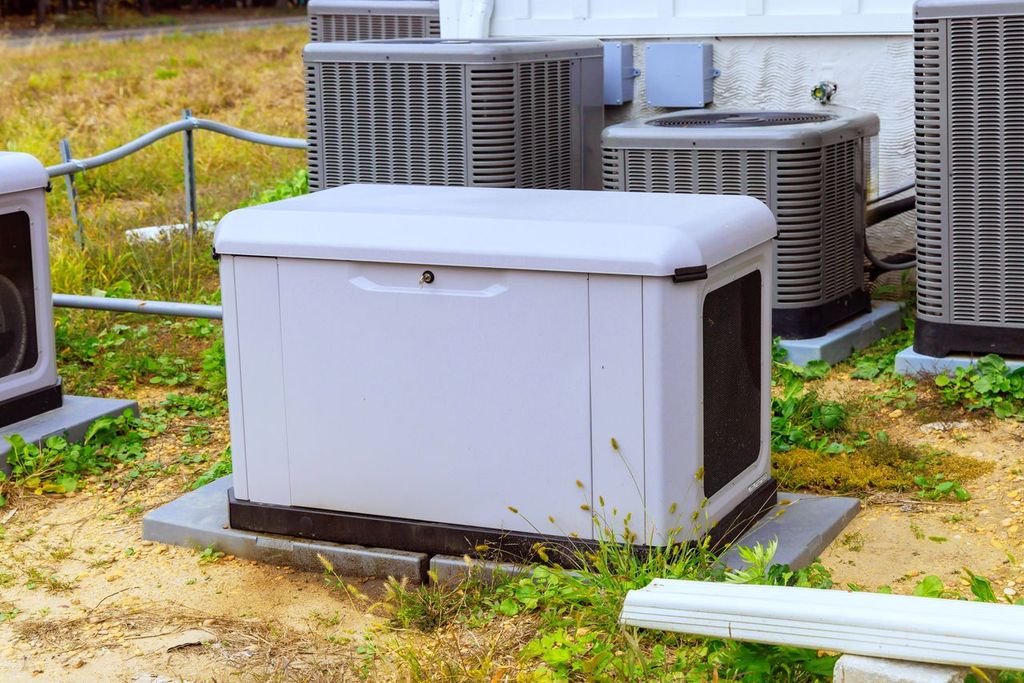
A reliable backup plan starts with knowing exactly what your generator needs to power during an outage. Sit down and list the essentials, including your refrigerator, freezer, lights, heating or cooling, internet equipment, and any medical devices your household depends on. Each of these draws a certain amount of wattage, and adding them up tells you whether your current unit can handle the real demand. Too many homeowners discover during an outage that their generator is undersized for the load they actually need. A proper load calculation done ahead of time prevents that unpleasant surprise. If your needs have grown since the unit was installed, perhaps with a new electric vehicle charger or a home office, the numbers may have changed. Reviewing the plan every year keeps it matched to your actual lifestyle.
Your generator plan should also account for how the unit connects to your home safely. A transfer switch is the device that isolates your house from the utility grid while the generator runs, and it is not optional. Running a generator without a proper transfer switch can send electricity backward into the power lines, which puts utility crews at deadly risk and can destroy your equipment. Standby generators include automatic transfer switches that handle this instantly, while portable units require a manual switch installed by a qualified electrician. If you are relying on extension cords strung through a window, your setup needs an upgrade before fire season peaks. A licensed electrician can install the right switch and bring the whole system up to code. This single piece of equipment is the difference between a safe backup and a dangerous one.
Fuel strategy rounds out a strong generator plan. Standby units running on natural gas enjoy a continuous supply, but propane and gasoline models depend on what you have stored on hand. Gasoline degrades in as little as a month without a stabilizer, so any fuel left from last season may already be useless. Propane stores well for years, yet you still need enough tanks on hand to ride out a multi day outage. Map out how many days of runtime you want and stock fuel accordingly, keeping it in approved containers away from heat and ignition sources. Rotate your supply so the oldest fuel gets used first and nothing sits long enough to spoil. A clear fuel plan means you never run dry at the worst moment.
Routine Service Protects Your Investment Before Fire Season Peaks
A generator represents a significant investment, and routine service is how you protect it over the long haul. Like any engine, it needs clean oil, fresh filters, and working spark plugs to run the way the manufacturer intended. Skipping maintenance does not just risk a failure during an outage; it shortens the overall life of the machine and can void parts of your warranty. Manufacturers publish recommended service intervals for a reason, and following them keeps your unit dependable year after year. Oil that has gone dark and gritty no longer protects the engine, while a clogged air filter chokes performance and wastes fuel. These are small, inexpensive items that prevent large, expensive repairs. Treating service as a habit rather than an afterthought pays for itself many times over.
The battery deserves special attention because it is the single most common reason a standby generator fails to start. Generator batteries lose their charge slowly over time, and extreme heat speeds that decline along the Central Coast in summer. A battery that tested fine last winter may be too weak to crank the engine by the time a fall shutoff hits. Checking the terminals for corrosion, confirming a solid charge, and replacing aging batteries on schedule eliminates this weak point. Most standby units include a charger, but that charger can fail quietly without anyone noticing. Verifying it works is a quick task that prevents a frustrating outage day surprise. A fresh, healthy battery is cheap insurance against being left in the dark.
Professional inspection ties all of this together and catches problems that a quick visual check will miss. A trained electrician can test the transfer switch, measure the output, inspect the wiring connections, and confirm the unit meets current code. Worn wiring, loose lugs, and weather damage often hide where a homeowner would never look. An annual professional service visit gives you documented proof that your system is ready, which matters for warranty coverage and resale value alike. The technician can also spot early signs of trouble, such as a failing component that has not yet caused a breakdown. Catching these issues during a calm inspection beats discovering them during an emergency. Want a thorough check of your home’s wiring and backup system? Click here for our electrical inspection service.
Essential Generator Maintenance Steps Before Fire Season Peaks
Preparing a generator is not a single task; it is a short checklist of focused steps that together guarantee reliable starting and steady output. Each step targets a known failure point, and skipping any one of them leaves a gap that fire season can exploit. The good news is that none of this work is complicated when you tackle it early and follow a logical order. You start with the engine basics, move to the fuel and electrical systems, and finish with a real world test under load. Working through the list methodically takes the guesswork out of readiness. A homeowner can handle some of these tasks, while others call for a licensed electrician’s tools and training. Knowing which is which keeps you safe and keeps your warranty intact. The sections below break the process into manageable pieces.
Engine And Oil Service Are Core Maintenance Steps Before Fire Season Peaks
The engine is the heart of your generator, and its oil is the lifeblood that keeps everything moving smoothly. Begin by checking the oil level and condition, since oil that looks black, thin, or sludgy can no longer protect the internal parts. Most generator manufacturers recommend an oil change after a set number of running hours or at least once per season, whichever comes first. If your unit ran hard last fire season, it likely needs fresh oil before this one begins. Using the exact oil weight specified in the manual matters, because the wrong viscosity can cause poor lubrication in hot Central Coast weather. Change the oil filter at the same time so the new oil stays clean. This simple service is the foundation of a generator that starts and runs without hesitation.
The air filter and spark plugs deserve attention in the same service session. A dirty air filter restricts the airflow the engine needs, which leads to rough running, wasted fuel, and harder starts. Pull the filter, inspect it against a light, and replace it if it looks gray, oily, or clogged with dust. Spark plugs wear down over time and develop deposits that weaken the spark, making the engine reluctant to fire up. Removing each plug, checking the gap, and swapping out worn ones restores crisp ignition. These parts cost only a few dollars, yet they have an outsized effect on whether the unit starts on the first pull or first command. Fresh filters and plugs turn a stubborn engine into a dependable one.
Cooling and general inspection finish the engine service. Check that the cooling vents and fins are clear of leaves, dust, rodent nests, and the debris that collects around any outdoor machine. A generator that overheats will shut itself down, often at the exact moment you need it most during a long outage. Look over the belts and hoses on larger units for cracks or fraying, and confirm that all the fasteners are snug. Rodents love to chew wiring and build nests inside generator housings, so a careful look inside can prevent a maddening failure. Clearing the area around the unit also reduces fire risk and improves airflow. A clean, well kept engine bay is a sign of a generator you can trust.
Fuel System Care Is Vital Among Maintenance Steps Before Fire Season Peaks
The fuel system is where many generators quietly fail, because stale or contaminated fuel will not burn the way the engine needs. Gasoline begins to break down within weeks, forming gums and varnish that clog carburetors and fuel lines. If your portable generator has been sitting with old gas in the tank, drain it and refill with fresh fuel treated with a stabilizer. Stabilizer slows the breakdown process and keeps stored fuel usable for months, which is essential heading into a season of repeated outages. For propane units, inspect the tanks, regulators, and hoses for leaks using a simple soapy water test along the connections. A standby generator on natural gas needs its supply line checked to confirm steady pressure and no obstructions. Clean, fresh fuel is non negotiable for reliable starting.
Storage habits make a big difference in fuel system health throughout fire season. Keep gasoline in approved, sealed containers stored in a cool, shaded spot well away from your home and any ignition source. Heat accelerates fuel breakdown, so a container baking in the sun loses its quality fast. Label your containers with the date you filled them and rotate your stock so the oldest fuel always gets used first. Stocking enough fuel for several days of runtime gives you a real cushion during an extended Public Safety Power Shutoff. Calculate your generator’s fuel consumption per hour and multiply by the number of outage days you want to cover. Planning the math now means you never run dry while the grid stays down.
The carburetor and fuel lines round out fuel system care on gasoline units. A generator that sat all winter with untreated fuel may have a gummed up carburetor that prevents it from starting at all. Running the engine dry at the end of each use, or adding stabilizer before storage, prevents this common problem from taking hold. If your unit already sputters, stalls, or refuses to start, the carburetor may need cleaning or rebuilding by a qualified technician. Fuel lines can crack and leak with age, creating both a performance problem and a fire hazard right when fire risk is highest. Inspect every line and fitting for soft spots, cracks, or weeping. A healthy fuel system delivers clean fuel exactly when the engine calls for it.
Electrical And Transfer Switch Checks Complete Maintenance Steps Before Fire Season Peaks
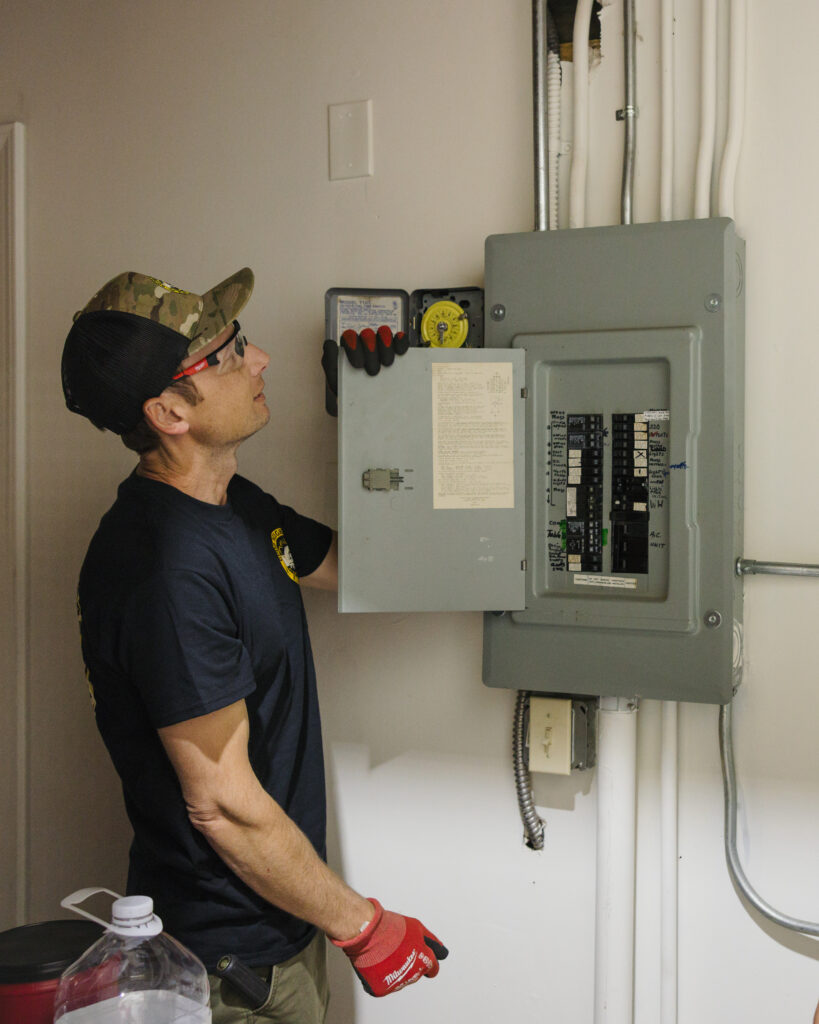
The electrical side of your generator is just as important as the engine, and it is where professional help matters most. The transfer switch is the critical link that connects your generator to your home while safely disconnecting from the utility grid. A faulty switch can fail to transfer the load, leaving you without power, or worse, it can backfeed electricity into the lines and endanger utility crews. Testing the transfer switch under load confirms it engages correctly and carries your home’s circuits as designed. This is not a task for guesswork, because the wiring carries enough current to cause serious injury. A licensed electrician has the tools and training to verify the switch operates safely. Confirming this single component works is one of the most important steps in the entire preparation process.
Output testing and load verification reveal whether your generator can actually do its job. A unit might start and idle perfectly yet falter the moment you ask it to power your real household load. Measuring the voltage and frequency under load confirms the generator produces clean, stable power that will not damage sensitive electronics. Sensitive devices like computers, medical equipment, and modern appliances need steady output to avoid harm. If the numbers drift outside the proper range, the unit may need adjustment or repair before it is trusted with your home. Adding up your essential circuits and comparing them to the generator’s rated capacity prevents overloading. A generator that comfortably handles its load runs cooler, lasts longer, and serves you better.
Wiring connections and grounding finish the electrical inspection. Over time, the lugs and terminals inside the generator and transfer switch can loosen from vibration and heat cycling. Loose connections create resistance, which generates heat and can lead to arcing, equipment damage, or even fire. A technician tightens every connection to specification and inspects the wiring for any sign of corrosion, melting, or rodent damage. Proper grounding protects both your equipment and the people in your home from electrical faults. These checks require knowledge of code requirements that most homeowners simply do not have. When the power suddenly goes out late at night, you want a system you already know is sound. Facing an outage with no working backup? Click here for our emergency electrician service.
Why You Need A Professional Generator Inspection Before Fire Season Peaks
A do it yourself approach handles the basic upkeep, but a professional inspection catches the hidden problems that put your home at risk during the most critical weeks of the year. Fire season on the Central Coast brings real consequences when backup power fails, from spoiled food and dark homes to interrupted medical care. A trained electrician brings the testing equipment, the code knowledge, and the experience to confirm your entire system is ready. Good Neighbors Electric serves Atascadero, Paso Robles, San Luis Obispo, and the surrounding communities with the kind of careful, thorough work this season demands. Scheduling now, before the rush, means your generator gets full attention rather than a hurried emergency visit. The investment in a professional check is small compared to the cost of a failure when it counts.
A Professional Inspection Finds Hidden Problems Before Fire Season Peaks
A professional inspection goes far deeper than the checks a homeowner can perform in the driveway. An electrician tests the transfer switch under real load, measures the actual output, and inspects connections that sit hidden inside the housing. These are the failure points that a quick visual glance will always miss. Worn wiring, a slowly dying battery, a drifting voltage output, and loose terminals can all lurk silently until the moment your generator is needed. Catching these issues during a calm, scheduled visit turns a potential emergency into a simple repair. That early detection is the entire point of a professional service.
The value of expert eyes grows during fire season, when the stakes climb with every red flag warning. A small problem ignored in spring can become a complete failure during a multi day Public Safety Power Shutoff in October. Electricians who work on generators every day recognize the early warning signs that an untrained eye would walk right past. They know which components fail in our specific climate, where heat and dust take their toll. Their experience translates directly into a generator you can rely on when the wind kicks up. That confidence is exactly what a household needs heading into the most dangerous stretch of the year.
A documented inspection also protects you in ways beyond the immediate. Many generator warranties require proof of regular professional service to stay valid, and a missed interval can leave you paying out of pocket for a covered repair. An inspection record demonstrates that your system was maintained, which matters for both warranty claims and home resale. The technician leaves you with a clear picture of your generator’s condition and any work it needs. That transparency lets you plan and budget instead of facing surprise breakdowns. A professional inspection is as much about documentation and peace of mind as it is about the wrenching itself.
Scheduling Early Service Beats The Rush Before Fire Season Peaks
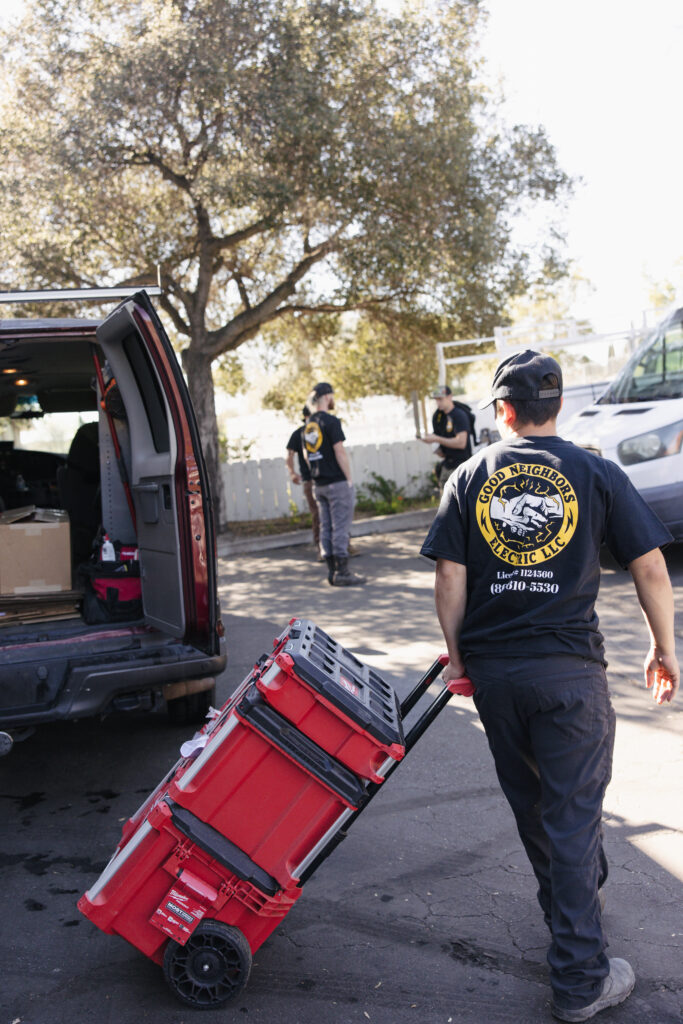
Timing is everything when it comes to generator service on the Central Coast. The weeks before fire season peaks are calm, parts are in stock, and appointment calendars have open slots. Once the first major shutoff warning hits, every electrician in the county is swamped and replacement parts vanish from shelves. Booking your service early means you get a thorough, unhurried inspection rather than a frantic emergency call. You also gain time to address any repairs the technician finds before they become urgent. Early scheduling is simply the smartest way to guarantee readiness.
There is a financial advantage to early service as well. Routine maintenance booked in the off season carries standard pricing, while emergency calls during active outages often cost more due to surging demand. Spreading your generator care across a predictable schedule keeps your budget steady and avoids ugly surprises. You can plan the expense, compare your options, and make decisions without an emergency forcing your hand. A well maintained unit also burns fuel more efficiently, saving you money across a long season of outages. Planning ahead protects both your equipment and your wallet.
Early service also gives you room to make upgrades if your needs have grown. Perhaps you added an electric vehicle, expanded your home, or installed new equipment that draws more power than your generator was sized for. Discovering this during a calm consultation lets you plan an upgrade properly rather than scrambling when the unit falls short mid outage. A licensed electrician can run the load calculations and recommend the right capacity for your current life. Handling these changes before the season peaks means you walk into fire season fully prepared. That readiness is worth every bit of the early effort.
Why Choose Good Neighbors Electric Before Fire Season Peaks
Good Neighbors Electric brings licensed and insured professionals to every job, and that credential means your generator work meets the strict standards California demands. We earned recognition as a recipient of Best of the Central Coast for electrical services, a reflection of the care we put into each project. Our team treats your property with respect, keeping job sites clean, organized, and as tidy as we found them. We back our new installations with a two year workmanship warranty, giving you lasting confidence in the work. When you move forward with a project, we waive the dispatch fee, because we believe in fair, straightforward service. Our commitment to five star work shows in every interaction.
Local knowledge sets our team apart when it comes to fire season readiness. We live and work in Atascadero and serve the surrounding communities, so we understand exactly how heat, dust, and Public Safety Power Shutoffs affect backup power here. That firsthand experience means we know which generator problems are common in our climate and how to prevent them. We tailor our inspections and service to the real conditions Central Coast homeowners face each year. Our familiarity with local code and utility practices keeps your system compliant and safe. Choosing a local team means choosing one that genuinely understands your situation.
Most of all, we treat our customers like the neighbors they are, and our name reflects that promise. When you call Good Neighbors Electric, you reach a team dedicated to keeping your home powered and your family safe through the toughest weeks of the year. We answer questions plainly, explain your options honestly, and never push work you do not need. Reach us at (805) 610-5530 or anthony.orozco@goodneighborselectric.com to schedule your generator service before fire season peaks. Our shop sits at 8778 Plata Ln, Atascadero, CA 93422, ready to serve you. Let us help you face this season with backup power you can truly count on.